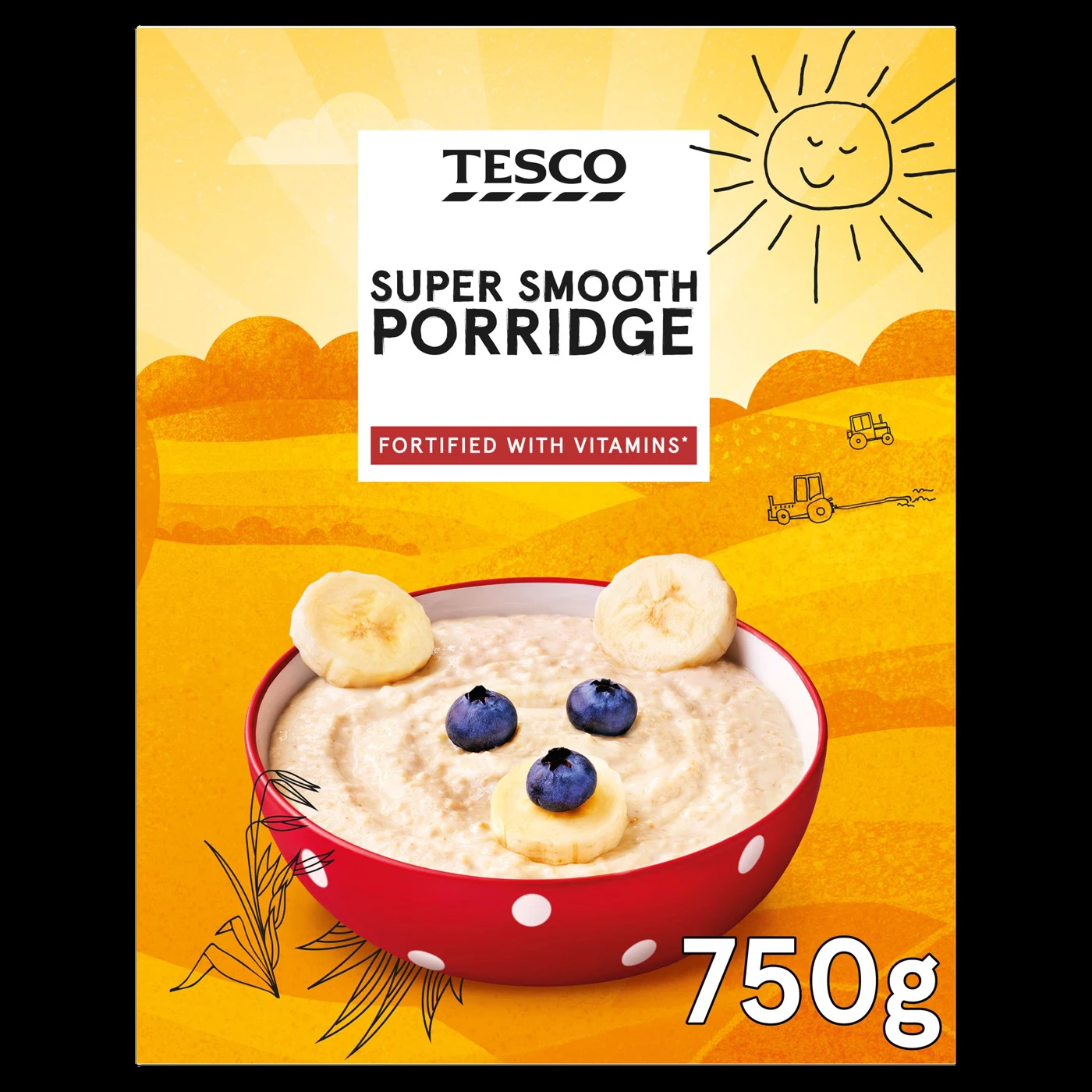
Updated November 10, 2026. The Tesco Super Smooth Porridge recall concerns the 750g product with best-before dates from June 30 through August 25, 2027, inclusive. Tesco's notice, dated October 13, 2026, gives possible flour beetle presence as the reason. It tells customers not to eat an affected product and to return it to Tesco for a full refund, without a receipt.
Use the product and printed date together. This guide explains that specific notice, not a new recall of every Tesco porridge or a general warning about all oats. The original Tesco product notice controls the scope and instructions.
Check the exact Tesco product before comparing any dates
Begin with the carton you own. The notice names Tesco Super Smooth Porridge in the 750g size. A photograph of a supermarket shelf, a generic “porridge recall” headline or a message mentioning Tesco is not enough to establish a match. Read the complete product description before applying the date range.
Keep the package name and weight together in your record. Then locate the best-before marking on that same package. If you have several cartons, inspect each one separately; buying them on the same trip does not establish that every carton carries the same date. Likewise, a carton bought for another household needs its own check rather than an assumption based on your first package.
| Field in Tesco's notice | What you need to compare |
|---|---|
| Product | Tesco Super Smooth Porridge |
| Pack size | 750g |
| Best-before scope | June 30 to August 25, 2027, inclusive |
| Notice date | October 13, 2026; not the package's best-before date |
The retailer's Super Smooth Porridge product page can help identify the description, but an ordinary shopping page does not establish your carton’s production date or recall status. Product information can change, and Tesco advises shoppers to read the physical label. Use the recall notice for the affected scope and your own packaging for the comparison.
The statement that no other Tesco products are affected belongs to this particular notice. It should not be stretched into a claim that no other Tesco item has a separate recall. Conversely, do not extend this notice to another cereal simply because it is also made from oats. If the description or weight does not agree, identify the product you actually own and look for its relevant notice.
For a useful private record, photograph the front description and the readable date marking. A front-only photograph can omit the field that decides whether the carton falls inside the published range. Keep the original characters visible rather than relying on a shortened caption typed into a shared message.
Read the best-before range as a complete calendar interval
Tesco specifies all best-before date codes from June 30 through August 25, 2027, inclusive. This is a continuous interval for the named 750g product, not a short list containing only the first and last date. A July date does not escape the scope merely because a headline mentions June and August.
Read the year as well as the day and month. The notice was issued in October 2026, but the affected best-before dates are in 2027. That combination is possible and is exactly what the document states. A long remaining shelf life does not cancel a recall. Do not substitute the day you bought the carton or the date you opened a shared message for the marking on the package.
Both endpoints are included
| Example printed date | Comparison with this notice's interval |
|---|---|
| June 29, 2027 | Before the published interval |
| June 30, 2027 | Included: first day |
| July 15, 2027 | Included: between the endpoints |
| August 25, 2027 | Included: last day |
| August 26, 2027 | After the published interval |
These are calendar-comparison examples, not a complete list of production codes. They apply only after the full product description agrees. A date outside the interval does not establish that a different product has no separate notice or no other problem. If a marking is ambiguous, ask Tesco to interpret the actual characters instead of selecting the closest-looking example.
A date code is not an invitation to invent a batch number
The notice identifies the affected product through its name, size and best-before range. It does not publish a separate UPC or an additional production-lot requirement. Do not fill that gap with a barcode copied from a shopping page, a number from the PDF filename or a supposed manufacturer decoding rule found in comments.
Keep any other markings visible if you ask for help, but distinguish what the notice requires from extra information printed on the carton. Food Standards Scotland explains that best-before dates generally concern quality, while use-by dates concern safety. That general distinction does not override Tesco's instruction not to eat a recalled product. Here, the best-before marking is also the identifier used to define the recall's scope.
Understand the flour beetle reason without adding a different hazard
The retailer gives possible flour beetle presence as the reason for this recall. Keep that description attached to this product and notice. It is not a statement that every carton contains insects, and it should not be rewritten as a different contamination event because another cereal or another Tesco food appeared in the same news roundup.
The product notice does not provide a reported-illness count. That absence cannot be converted into “no one became ill,” nor does it justify inventing an outbreak total. It also does not identify an individual's symptoms or establish that eating a particular serving caused an illness. Accurate checking starts with the published product scope, not with a guess about a medical explanation.
Appearance does not replace the published scope
You do not need to discover a beetle yourself before following the notice. Tesco defines the affected product using its description, weight and date range; its instructions do not make action conditional on a visible insect. A carton that looks ordinary can still match those published identifiers. Avoid opening it solely to search for evidence that the warning should apply.
Do not invent a household treatment that overrides the notice. The document directs customers not to eat the affected product and to return it. It does not offer an exception for sifting, preparing a smaller serving or following normal cooking directions. The directions on a food package explain ordinary preparation; they are not a separate authorization to use a recalled batch.
If you already ate some and feel unwell or have a health concern, seek advice appropriate to your circumstances. The NHS food-poisoning guidance provides general information and explains when to seek help, but this article cannot diagnose an illness or attribute it to flour beetles. Keep the product name, date and notice available if a healthcare professional needs that context. A health question and the retailer's product-return process are separate matters.
Use the return instructions for the Tesco notice
For an affected product, Tesco's stated action is not to eat it and to return it to a Tesco store for a full refund. The notice expressly says that no receipt is required. This is the wording for the Super Smooth Porridge notice; it should remain attached to that product rather than being presented as a universal policy for any supermarket return.
Use the official document as your reference if another person is helping with the return. A screenshot of a news headline may not show the pack size, relevant dates or no-receipt wording. Keep a copy of the product notice with your own package details so that a household member does not take the wrong breakfast product or apply a different notice's conditions.
- Record the match. Keep the full product name and the readable best-before marking together. If several cartons are involved, identify which ones actually fall within the published scope rather than describing them as an undifferentiated purchase.
- Follow the consumption instruction. Do not continue using an affected carton while planning a later return. The notice does not require you to finish it, produce a visible insect or demonstrate a defect before following its direction.
- Use the relevant Tesco route. The notice refers customers to Tesco UK or Tesco Ireland stores. For a question about a particular return, start with the retailer rather than assuming another shop or manufacturer will apply the same process.
- Ask about unresolved circumstances. If you no longer have the carton, cannot travel to a store or need clarification about what to bring, contact Tesco before assuming a particular alternative is available.
The document gives Tesco Customer Services in Ireland as 1800 248 123. For UK questions, it directs readers to Tesco's contact options; the official UK contact page is a suitable starting point. Use the route for your purchase market and retain the response privately.
The notice does not specify a refund-processing time or a special deadline in the text checked for this guide. Do not replace that silence with a promise that every later claim will be accepted, or with a made-up cutoff date. Explain your actual circumstances to Tesco and use its answer for the unresolved part of the process.
Resolve missing cartons and mixed household supplies carefully
The straightforward comparison assumes you still have the carton and can read its code. Real household supplies are sometimes less tidy: cereal has been poured into a container, an outer carton was discarded, or two purchases were combined. In those circumstances, explain the missing information rather than pretending the normal package check has been completed.
Make a small inventory before contacting the retailer. Separate cartons with readable markings from products whose dates cannot be established. Note whether an existing photograph shows the original packaging and whether an order record identifies the full product. Keep “known,” “uncertain” and “not available” distinct. A purchase record can help identify a transaction without proving which production date was inside a particular container.
If porridge was decanted or the code is unreadable
Do not assign the date from a nearby unopened carton to a container simply because the contents look similar. If a container was topped up from more than one purchase, a single surviving package may not establish the origin of everything inside. Tell Tesco that limitation and ask how it wants you to proceed with the uncertain product and any return question.
A practical message can give the product name and size, the purchase market, when and where you believe it was bought, what packaging survives and which marking cannot be read. Preserve any existing photographs without editing the characters into a guessed code. Do not post account details, receipts or private order information in public comments. Contact the retailer directly when those records are needed.
Keep Ready Brek and other breakfast products separate
Ready Brek appeared in coverage of the same October 2026 issue, but its official retailer notice lists separate date codes for its 450g and 750g products. Those lists are not the continuous range published for Tesco Super Smooth Porridge. Matching the word “porridge” or the weight 750g is insufficient.
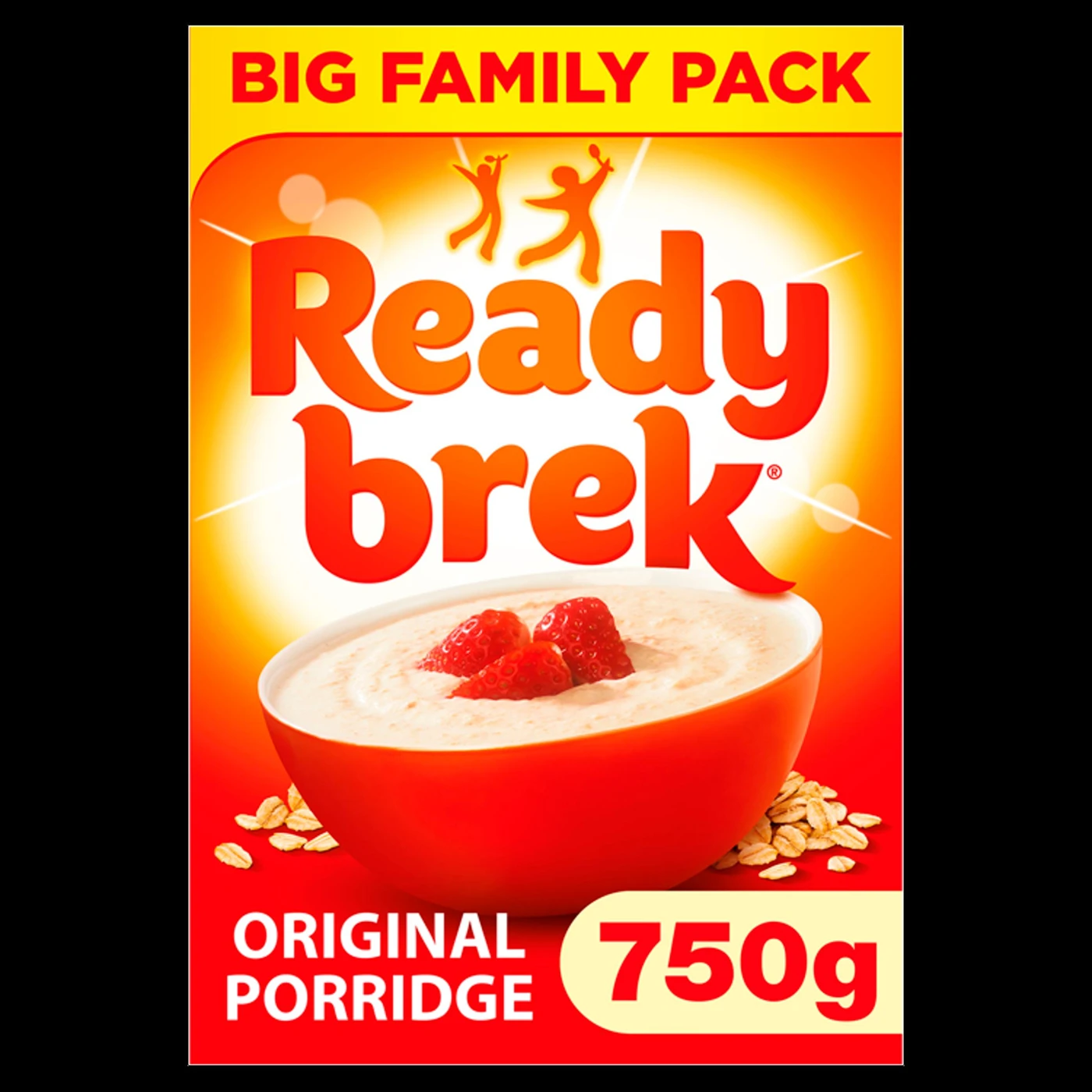
If you own both brands, keep two records and compare each with its own document. Do not move a date from the Ready Brek list into the Tesco comparison, or assume another oat product is included because it was stored beside an affected carton. A shared news story is a discovery aid, while the product-specific notice establishes which identifiers and instructions belong together.
Recheck the source before treating the question as settled
Use the Tesco UK recall page or Tesco Ireland recall page to return to the official product document. Save the source address with your comparison so that you can find the current linked version if a message is forwarded again or another household member asks about a carton.
If a news report, screenshot or typed message gives a different end date, compare it with the full official notice before narrowing the scope. Read both lines where Tesco describes the affected dates, rather than copying a shortened search preview. Keep any unresolved difference in your question to Tesco; do not manufacture a compromise date between two accounts.
A completed check should tell you what happened to each product, not just that you read a headline. Record whether the carton matched, which printed date supported that conclusion, whether any information was missing, and the action actually taken. If someone else handled a return, confirm which cartons were involved so that an unresolved container is not accidentally marked as dealt with.
Keep the original notice date beside your own check date
Three dates can appear in this process: the October 13, 2026 notice date, your own checking date, and the product's 2027 best-before marking. They answer different questions. Checking an October notice in November does not make it a new November recall, and a best-before date in 2027 does not mean the recall was issued in 2027.
Nor should you declare the issue over because a shop no longer displays the same carton or because an old message stops circulating. The notice checked for this guide does not supply a general recall-termination date. If you need clarification about an older retained product or a later enquiry, use Tesco's current contact route and explain the product and original notice.
Product Recall Checker is an independent website and is not affiliated with Tesco or a government agency. Its searchable information is based on official U.S. sources, so a missing search result here cannot establish the status of a UK or Irish carton. Our recall guides explain checking methods; the retailer's official notice defines this product's scope, while Tesco must resolve any individual identification or return question that the published information does not answer.
Comments
Comments are reviewed before publication. Do not post personal information, serial numbers, medical details, or emergency reports. For urgent safety concerns, use the official agency contact in the recall notice.
Sign in with Google to leave a comment
Loading comments...