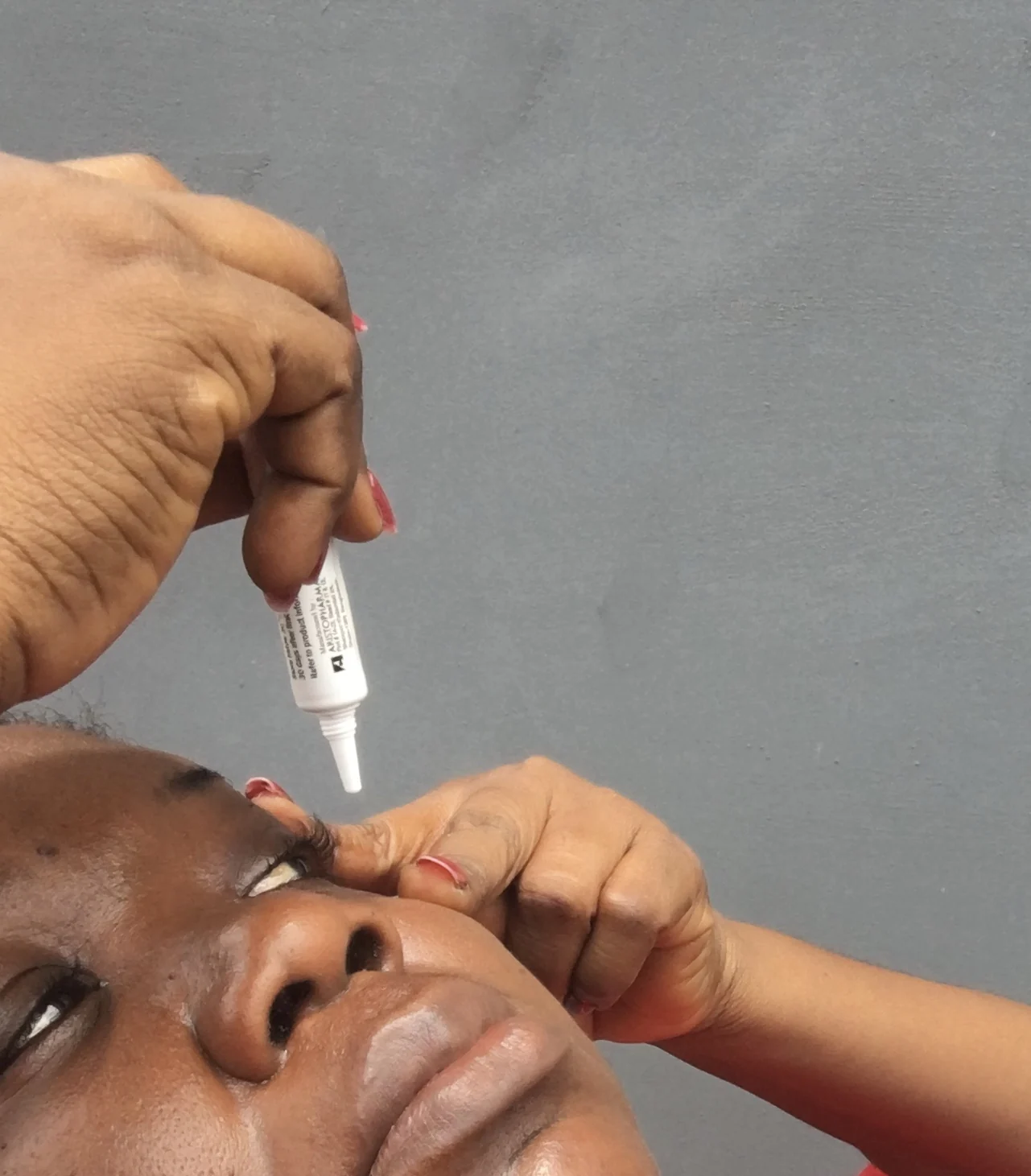
To check an FDA eye drop recall list, first identify the exact product in your hand. Compare the brand or generic name, active ingredient and strength, bottle/package size, NDC or UPC, lot number and expiration date with the official notice. Eye-drop search results often mix current recalls, enforcement records and old warnings, so verify both the source and its date.
Do not stop a prescribed eye medicine or substitute another drop without guidance from your eye-care professional or pharmacist. Product Recall Checker is independent and does not replace FDA, the recalling company or medical advice.
Where to check FDA eye drop recalls and warnings
Start at FDA's What You Should Know About Eye Drops hub. It collects eye-drop safety advice and links to FDA alerts, warnings and recalls. Read the date and document type beside each link; an older warning can remain useful without describing a new event.
Search FDA's Drug Recalls page for public company announcements. Use the product name, brand, distributor or manufacturer, then open the notice for its NDC, UPC, lot, expiration and remedy. FDA's public announcement pages are not a complete enforcement universe because not every recall receives a press release.
If you cannot find a pharmacy or news alert, search the FDA Enforcement Reports. These include recalls FDA monitors after classification and may include actions pending classification. An Enforcement Report record can appear after a company began contacting customers, so its report date is not necessarily the recall's start date.
Finally, search FDA Drug Alerts and Statements. A warning may tell consumers not to purchase or use a product even when the page is not a company recall announcement. Use our latest recall index for navigation, but let the live FDA record control status, identifiers and action.
NDC, UPC, lot and expiration: what each field means
The codes answer different identity questions. The NDC identifies a drug labeler, product and package configuration. The UPC identifies a retail item. The lot traces a production batch, and the expiration date can further limit affected stock. A notice may require all four to agree.
| Field | What it helps identify | Why it is not enough alone |
|---|---|---|
| NDC | Labeler/product/package | Many production lots can share one NDC |
| UPC | Retail package and size | It may not encode manufacturer lot |
| Lot/batch | Production run | Must still match product, strength and package |
| Expiration | Dating and sometimes recall range | Different lots may share an expiration month |
FDA's older multi-brand eye-drop warning illustrates why NDCs matter: products sold under different retail labels could be listed individually. That does not mean every drop from those brands remains under a current recall. Read the original date, current status and product table.
Copy codes exactly and preserve leading zeroes. NDC formatting can add or remove hyphens and a leading zero, so compare the segments and product description. If a recall says one lot, an NDC match with a different lot is not a match to that announced scope. If the lot is unreadable, contact the company or pharmacy rather than guessing.
Where to find the codes on bottles, boxes and single-use vials
Keep the outer carton. The NDC and UPC are often on a side or bottom panel, while lot and expiration may be ink-jet printed or embossed on a carton flap, bottle shoulder, label edge or base. Rotate the package under strong light and photograph the code privately before disposing of anything.
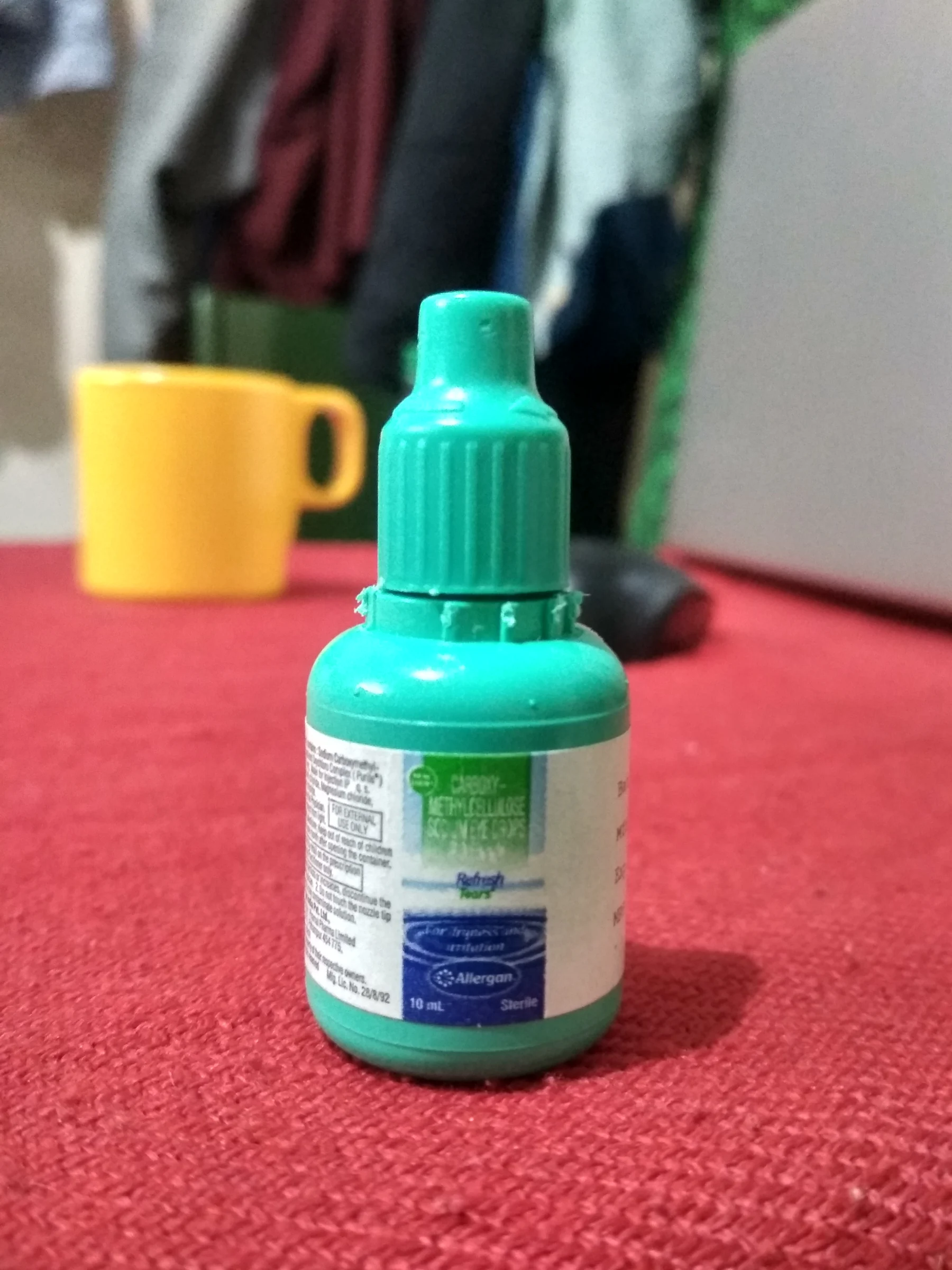
Single-use vials can have tiny print on the strip, foil pouch or overwrap. A box may carry the full NDC while an individual vial displays an abbreviated lot and expiration. Preserve the complete connected strip when possible. Do not open a sealed product solely to hunt for a code, and do not use a damaged seal.
- Compare carton and container product names and strengths.
- Check bottom, top flap, crimp, bottle base and label seam.
- Use FDA notice photos to confirm code location—not to match color alone.
- Ask the pharmacy to trace the manufacturer lot when a prescription container lacks it.
If print has rubbed off, treat the result as unresolved. Provide the distributor with the UPC/NDC, purchase source and approximate date through the verified notice contact. Never publish a prescription label or receipt containing personal information.
Recall, warning, market withdrawal and enforcement record
A company recall announcement describes the firm's removal or correction and its affected products. FDA posts many announcements as a public service. An FDA warning can recommend that consumers not purchase or use named products while FDA investigates or seeks company action. Some firms may later recall products, but the warning and recall remain separate documents.
An Enforcement Report is FDA's monitored recall record. It can list Class I, II, III or not-yet-classified actions. FDA cautions that classification and posting should not be treated as expansion of a firm's earlier warning: use the affected scope in the record and company communication. A market withdrawal generally addresses a minor violation not subject to FDA legal action, or no violation, and should not be relabeled a recall.
| Document | Question it answers | Check next |
|---|---|---|
| FDA warning | What product does FDA advise against using/buying? | Updates and company action |
| Company recall notice | What product/lots and remedy did the firm announce? | Exact identifiers and contact |
| Enforcement record | How is FDA tracking/classifying the recall? | Initiation, class, code info, status |
| Market withdrawal | Was product removed for a lesser/no violation? | Official reason and instructions |
Search results often drop these labels. Open the page, read its heading and date, and describe it with FDA's own term. That prevents an archived warning from becoming a fictional new recall.
How to read historical eye drop notices without treating them as current
Old FDA eye-drop pages frequently rank in current searches. They remain important for forgotten stock, but their dates and identifiers must travel with the claim. For example, FDA's multi-brand warning was dated October 2023. It listed particular products and NDCs; it is not evidence that every item from every listed retail brand is newly recalled in 2026.
A December 2024 Alcon announcement shows the opposite scope pattern: it was limited to one lot—10101, expiration 2025/09—of Systane Lubricant Eye Drops Ultra PF Single Vials On-the-Go, 25 count. It did not recall all Systane products. The notice included carton and vial photos demonstrating how an exact lot and expiration resolve a brand-level rumor.
A 2023 Rugby eye-drop page now states that the recall was completed and FDA terminated it. Termination is a status update, not a new recall and not permission to use an old matching package. It means FDA determined reasonable recall efforts and disposition requirements were met.
When evaluating a result, capture four items: original notice date, last-update or status language, exact affected identifiers and current remedy/contact. Use the archived notice for an old package and the live FDA eye-drop hub for current alerts. Do not change “FDA warned in 2023” into “FDA warns today.”
What to do when an OTC eye drop matches
Follow the exact warning or company recall. If it says stop use, stop that matched OTC product, separate it from unaffected medicines and keep the bottle/carton available for code verification. Do not give it to another person, donate it or pour it into a different container.
- Photograph the NDC/UPC, lot and expiration privately.
- Save the official FDA URL and note its update date.
- Use only the remedy and contact method in that notice.
- Ask a pharmacist or eye-care professional about an appropriate alternative if drops are still needed.
- Document return, disposal or company case details.
Refund and replacement terms vary. A retailer may offer a return while another notice directs consumers to a manufacturer. Do not pay a fee or share a one-time account code to receive a recall remedy. Verify unsolicited messages by navigating independently to FDA, the manufacturer or the retailer's official site.
Never use drops with a broken seal, changed color, cloudiness, particles, damaged bottle or contaminated tip, even when no recall appears. Avoid touching the dropper tip to the eye, fingers or surfaces, and do not share eye drops. A no-match database search cannot evaluate an individual bottle's condition.
If symptoms occur, contact an eye-care professional promptly; urgent vision changes or severe pain need timely assessment. Product handling and reporting should not delay care.
What to do when a prescription eye drop matches
Do not stop, change the dose or substitute a prescription ophthalmic medicine on your own. Eye drops may control pressure, inflammation, infection or postoperative healing, and a treatment gap can carry risk. FDA's drug-recall guidance tells patients to consult a doctor or pharmacist and notes that some recalls allow continued use unless FDA or the company directs otherwise.
Call the dispensing pharmacy with the drug name, strength, NDC, lot/expiration if visible, prescription fill date and FDA notice. Ask it to trace the manufacturer stock used and coordinate with the prescriber. If the next dose is soon, say so. The care team can weigh recall instructions, product availability and the risk of interruption.
Keep the medicine stored under labeled conditions while awaiting instructions unless the notice requires immediate quarantine or another action. Do not transfer sterile drops into another bottle or use someone else's supply. If a replacement is authorized, confirm the new product name, strength, directions and lot; similar packaging can hide clinically important differences.
For drops supplied during surgery or in a clinic, contact the facility because it holds purchasing and administration records. Provide the treatment date through a secure patient channel. A recalled product name alone does not establish that the facility used the affected lot or that an injury occurred.
Symptoms, medical care and MedWatch reporting
Contact an eye-care professional promptly if you develop eye pain, discharge, unusual redness or swelling, light sensitivity, blurred vision or another vision change after using suspect drops. These symptoms have many possible causes; they do not prove contamination or a recall-related injury. Severe pain, sudden vision loss or rapidly worsening symptoms require urgent assessment.
Bring or photograph the bottle and carton, but do not let documentation delay care. Tell the professional when you used the product, which eye, the product/strength, lot/expiration if available, and what symptoms began when. Mention contact-lens use, surgery and other eye medicines because those details can affect evaluation.
Patients and healthcare professionals can report adverse reactions and product-quality problems through FDA MedWatch. A useful report includes the exact product, manufacturer/distributor, NDC, lot, expiration, purchase source, use dates, event description and relevant care. Protect personal information and use FDA's official submission route.
A MedWatch report is a surveillance signal, not a diagnosis and not proof that the drops caused the event. Report after urgent needs are addressed, and separately follow the recalling company's instructions. Do not wait for FDA to respond before obtaining care.
FDA eye drop recall list FAQ
Does seeing my brand on an old FDA page mean my bottle is recalled now?
No. Read the page date, product description, NDC/UPC, lot/expiration and current status. Retail brands can source different products over time.
Does an NDC match prove a recall match?
Not when the notice is limited by lot or expiration. NDC identifies the labeler/product/package, while lot identifies production. Also, NDC Directory listing is not proof of FDA approval or recall status.
What if my bottle has no readable lot?
Keep the carton, check the base and label seam, and contact the company or dispensing pharmacy through a verified channel. Treat the result as unresolved instead of guessing.
Can I keep using a prescription drop until I reach my doctor?
Follow the exact FDA/company notice and contact the pharmacist or prescriber promptly. Do not independently stop or continue against specific instructions; the professional must balance recall guidance and treatment risk.
Why is an old warning still online?
It may help people identify stored product and document regulatory history. Continued availability does not make its original date “today.”
Does no FDA search result mean a drop is safe?
No. Public announcements are not exhaustive, searches can miss spelling or distributor names, and an individual bottle can be damaged or contaminated without a posted recall. Never use a product with a broken seal, particles, cloudiness or other concerning change.
The sources in this guide were checked September 3, 2026. Revisit FDA's live eye-drop hub and Drug Recalls page before acting. For all medications, our 2026 FDA drug recall guide explains Enforcement Reports and pharmacy lot tracing.
Comments
Comments are reviewed before publication. Do not post personal information, serial numbers, medical details, or emergency reports. For urgent safety concerns, use the official agency contact in the recall notice.
Sign in with Google to leave a comment
Loading comments...