Updated November 10, 2026. To find a Tesco product recall list or PDF, start with Tesco's official recall page for the market where you bought the item, then open the individual product notice. Compare the complete name, size, batch or date code, and any other identifiers it specifies. A familiar brand name alone does not establish that your purchase is included.
This guide explains how to navigate those notices and keep a useful record. It is not a complete live list of Tesco products, an official Tesco service, or a substitute for the instructions attached to a particular notice. Product Recall Checker's searchable feed is based on U.S. sources; it cannot establish whether a product bought in the UK or Ireland is affected.
Find the Tesco notices for the market where you shopped
Use the retailer's own entry point rather than a social-media screenshot or an old search-result headline. Tesco provides a UK-facing product recall page and a separate Tesco Ireland recall page. Both link to individual notices. Start with where the purchase was made, then check the distribution wording in the actual document.
Write down three things before comparing products: the purchase market, the notice's product title, and its original recall or safety-notice date. The date on this guide records when the guidance was checked. It does not turn an older recall into a newly announced event. Likewise, the date a search engine visited a page is not the product's recall date.
A retailer index is a useful starting point, but its visible links are not a clearance certificate for everything else in your cupboard. If you cannot find a shared warning there, check its original source, its market and its product details. An omitted entry does not, on its own, prove that a warning was false, that an action ended, or that a specific package is unaffected.
Keep UK and Ireland notices in their own context
Do not assume that a notice displayed on a familiar Tesco page applies to every Tesco store. For example, the retailer's index labels the Carroll's of Tullamore Traditional Lasagne 350g entry as Ireland or Northern Ireland only. That geographic qualification matters as much as the name. It should remain with the notice when you save it or send it to someone else.
The Republic of Ireland, Northern Ireland and Great Britain are not interchangeable labels. A product bought while travelling may need the purchase market's notice even if you now keep it elsewhere. If an item was a gift, ask where it was bought rather than guessing from your current address. If the market remains unclear, preserve that uncertainty when contacting Tesco.
Retailer pages can overlap without being identical. Use the correct page to locate the document, then let that document's stated scope control the comparison. This prevents a common mistake: finding a similar-looking product in another country and applying its dates or return arrangements to your own purchase.
Open the individual notice before saving a PDF
The useful download is usually the document attached to a particular product. On the Tesco index, follow that item's details link and read the whole notice before saving it. A search for a “Tesco product recall list PDF” can return an individual food notice, a non-food safety report, or an older multi-product document. Those are different records, even when their filenames look similar.
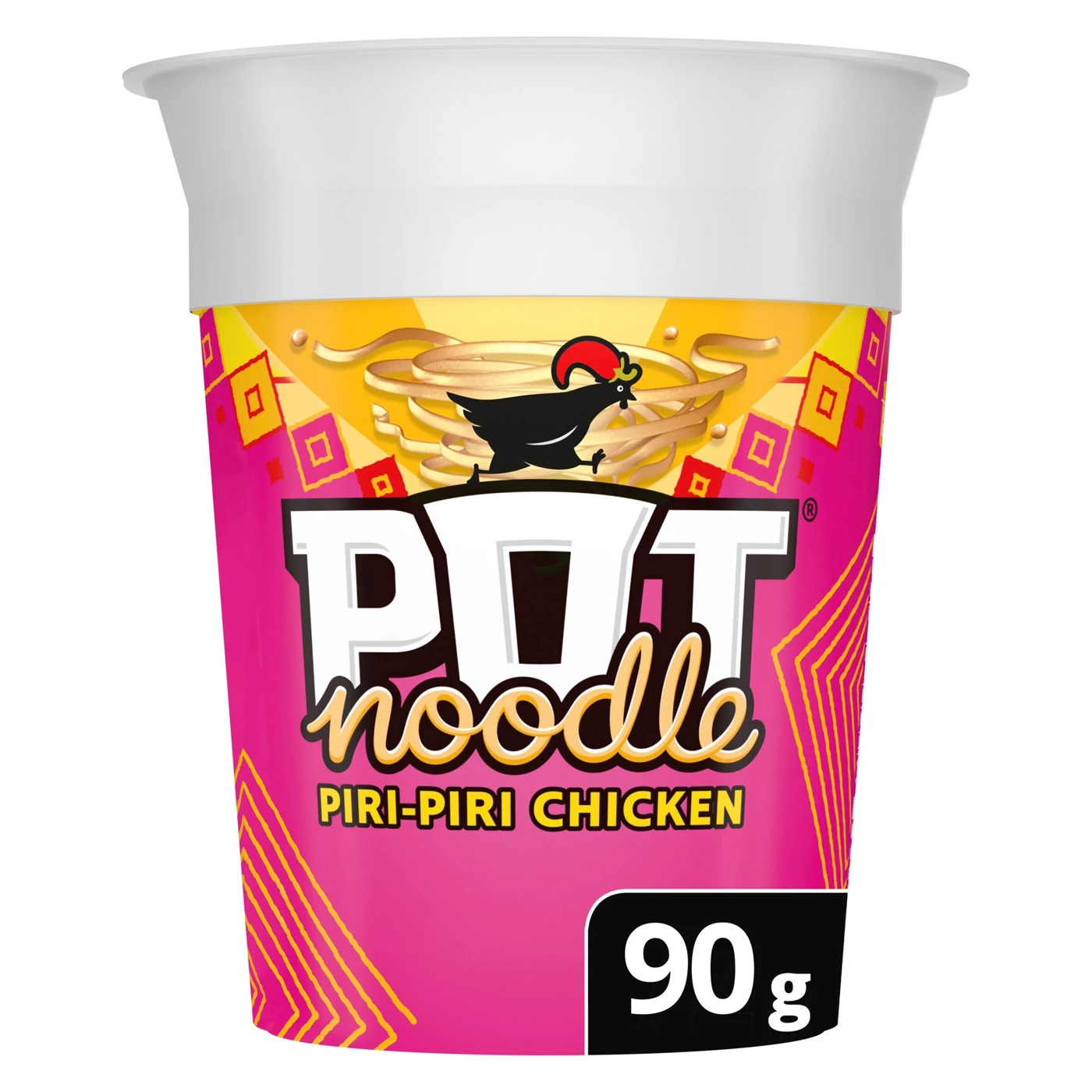
For example, Tesco's Pot Noodle Piri Piri Chicken notice is a product-specific PDF. It identifies the affected item and provides separate sections for the batch, customer action and contacts. Saving that file gives you a reference for that notice; it does not download a complete list of all products Tesco has ever recalled.
Keep the document's source URL beside the saved copy. A useful filename includes the product and the notice date, but your chosen filename is only an organizational aid. Do not confuse numbers embedded in an address or file name with a batch code printed on the actual product. The notice itself should tell you which fields to compare.
Different official documents can carry different dates. The Tesco index dates its F&F Glass Latte Mug recall to September 25, 2026, while the OPSS report was published on October 5, 2026. Record what each date describes instead of deciding that a later publication must be a separate event. Similarly, a product's best-before date is not its recall-announcement date.
Save every relevant page, including any attachment containing a larger product list. A cropped image can omit the country restriction, code range or instructions. If you print the notice, check that the text is legible and no columns are cut off. Before acting on an old saved copy, return to its official source and look for changes; a convenient download is a snapshot, not a promise that the scope will never be revised.
Match the item you own against the complete product description
Put your own product beside the complete notice. Start with its name and variant, then its size and the identifiers the issuer actually supplies. A matching shop or brand is a reason to investigate, not the final test. Two products can share a name while having different sizes, flavors, production runs or date codes.
The October 2, 2026 Pot Noodle notice illustrates a multi-field check: Piri Piri Chicken Instant Noodles, 90g, batch L6232PB796, with best before May 2027. Each field belongs to the same notice. Do not borrow a date from another flavor or treat every Pot Noodle product as included. For non-food items, the relevant fields may instead include a model, barcode or sales period, as shown in the official F&F mug report.
Use identifiers together rather than choosing one convenient match
Transcribe the code exactly, including letters and leading zeros. Keep a batch, barcode and date in separate worksheet rows. They serve different purposes, and a notice may specify only some of them. If the document does not publish a particular field, do not manufacture it from an online shop listing or try to decode an unfamiliar marking yourself.
| Check | Record from your product | Compare with the notice |
|---|---|---|
| Identity | Complete name, variant and size | Same stated description |
| Production detail | Readable batch or date marking | Exact listed code or range |
| Other identifiers | Barcode or model where relevant | The field actually published |
| Market | Where the item was purchased | Any stated geographic restriction |
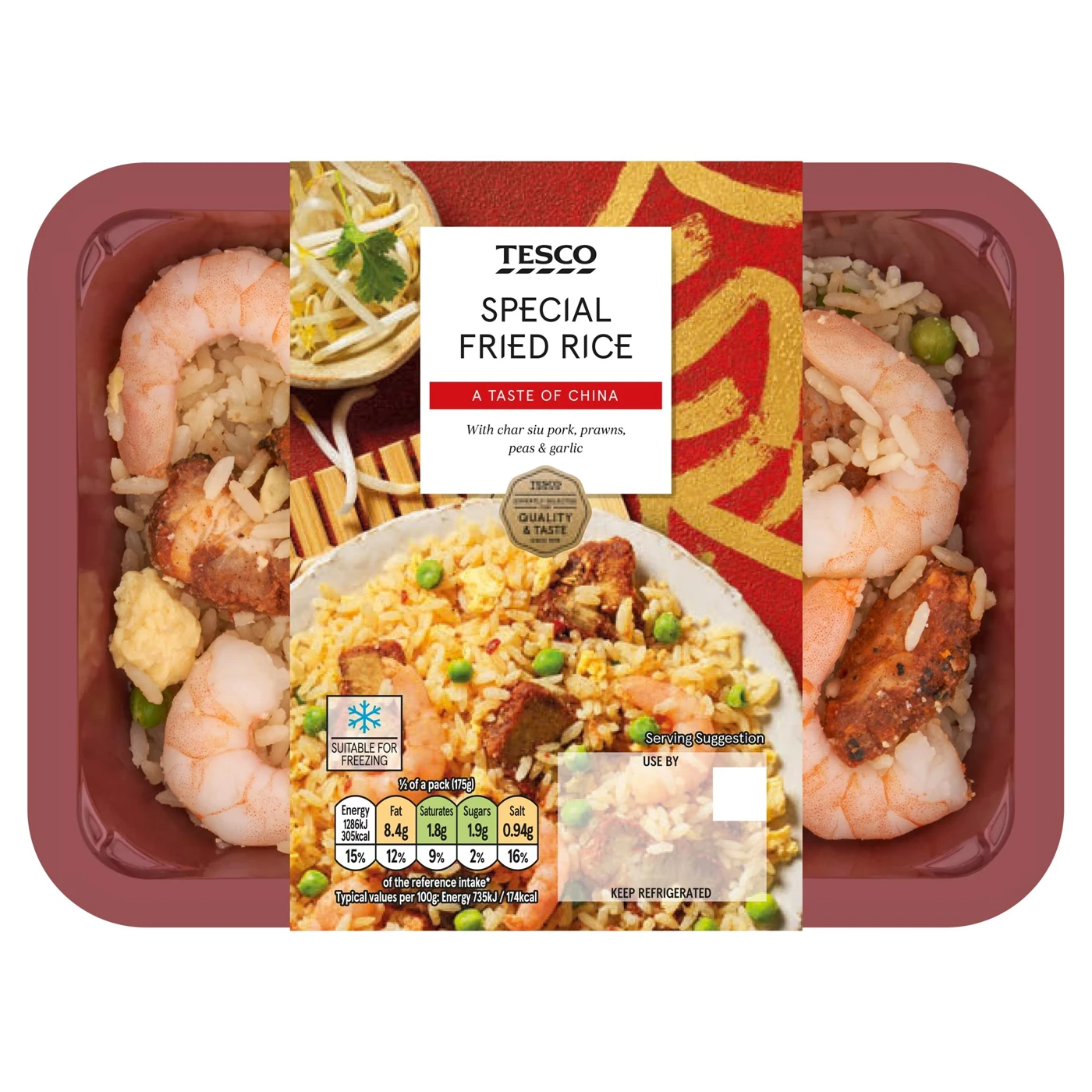
A product photograph helps establish what to examine, but it does not replace the printed code on your own item. Tesco's January 25, 2026 Special Fried Rice notice, for example, concerned the 350g product with a particular February 2026 use-by date. The photograph alone would not distinguish that date from another package. This is a historical example of reading a notice, not a new warning about every rice meal.
If packaging or a readable code is missing
Do not turn missing information into a positive or negative match. Keep any existing photographs, order details and purchase record, then contact Tesco or the manufacturer through the official notice. Explain precisely which information is unavailable. An order history may identify what you bought without establishing the production batch.
Do not use an uncertain item merely to test whether a warning is relevant. Ask the issuer how to resolve the missing identifier and what to do while the question is being checked. A code you cannot read requires clarification; it is not evidence that your item sits outside the published scope.
Follow the instructions attached to that product
Once the identifiers match, read the customer-action section rather than stopping at the product photograph. Different notices can involve returning an item, contacting a supplier or following another specified process. The relevant instructions are the ones for that product and market. Do not replace them with an assumption drawn from an unrelated recall.
For the Pot Noodle example, Tesco's notice directs customers not to eat the affected product and to return it for a full refund. For the F&F mug, the official report directs purchasers to stop using it immediately and return it. These are different hazards, so practical handling also differs. Do not test a mug with hot liquid to see whether it breaks, or sample a food to decide whether a notice should concern you.
A supplier may provide the contact route. Tesco's January 5, 2026 SMA formula notice, for example, included instructions to share product and batch-code photographs with the manufacturer or use its careline. That illustrates why saving all pages matters: the process can appear after a product table. It is not a recommendation to apply that historical formula process to other products.
A no-receipt example is not a universal refund rule
The Pot Noodle and mug notices expressly say that a receipt is not required for their stated returns. Keep that wording attached to those notices. It does not establish a universal no-receipt policy for every product, every market, or every type of refund. An ordinary change-of-mind return and a product-specific safety action may also involve different instructions.
If you no longer have the item, its packaging or the evidence the notice requests, ask the listed contact what can be accepted. Explain what you still have before making an unnecessary journey. This guide cannot promise a particular refund amount, substitute evidence, processing time or compensation beyond what an official notice provides.
Use contact information reached through the genuine retailer, agency or manufacturer page. Keep any order number, personal details and purchase evidence private when asking for help. You can record the date you contacted the issuer and its response without posting receipts or account information in public comments. The aim is to resolve the specific product question and follow the stated process, not to generate a general claim from a shared headline.
Choose the right official source for food and non-food notices
Tesco sells more than groceries. A food allergen notice, a glass-mug recall and a television safety notice do not necessarily appear in the same regulatory system. The retailer page brings different kinds of communication together, but the product's official source remains important when checking a shared message or a document that has moved.
For food, follow the relevant official food-safety notice alongside the retailer document. The Food Standards Agency's withdrawal and recall guidance explains that these terms describe different actions. Removing food from the supply chain before it reaches consumers is different from recalling a product that has reached them. Preserve the notice's actual wording rather than treating every warning as the same kind of recall.
For purchases in Scotland, Food Standards Scotland's alerts provide an official food and allergy reference. For the Republic of Ireland, use the Food Safety Authority of Ireland's notices. The presence of the same retailer in several countries does not make their authorities interchangeable. Check the product's distribution information as well as the agency's name.
| Your question | Useful official starting point |
|---|---|
| What does Tesco tell customers to do? | The retailer's market-specific product notice |
| Food or an undeclared allergen | The relevant food-safety authority and its linked customer notice |
| A UK non-food safety issue | The product's OPSS report or recall and retailer instructions |
| An Irish non-food issue | The relevant CCPC product-safety notification and retailer notice |
For UK non-food products, the OPSS guide to recalls and alerts explains different publication types. A product safety report is not automatically an instruction to every owner to return an item; read the corrective action stated in the actual record. The F&F mug example has an explicit end-user recall, but that does not establish the action for a different household product.
Use this source choice to resolve a specific uncertainty. If two pages appear to disagree, compare their product, country, original date and later revisions before combining them. Ask the issuer about any remaining conflict. An American FDA or CPSC search cannot settle the scope of a Tesco notice issued for another market.
Keep a dated record and recheck the official notice
A short record is more useful than a folder of unlabeled screenshots. For each question, note the product, purchase market, official notice URL, original notice date, date you checked it, identifiers on your own item and the action you took. Mark an unreadable code as unreadable rather than leaving a blank that could later be mistaken for a confirmed match.
Keep downloaded documents with that record, including attachments and any later version you used. If a new announcement changes the scope, compare the documents rather than silently replacing the earlier copy and losing the explanation for a previous decision. Do not infer that a notice has ended merely because a date printed on food has passed or the item is no longer visible on a retailer's front page.
For unresolved questions, the official Tesco contact page provides a route back to the retailer. Describe the product, the notice you found and the specific missing or conflicting information. A focused question such as whether a partially readable code matches a stated range is more useful than asking whether an entire brand is recalled.
You can also use official notifications to hear about new food notices. The FSA recalls and alerts guidance explains its subscription service. Choose the relevant official service for your market. Receiving an alert still leaves the practical task of checking your own product; not receiving one is not a statement that every item you own is unaffected.
Understand what this website can and cannot check
Product Recall Checker is an independent information website and is not affiliated with Tesco, the Food Standards Agency or any other regulator. As explained on our about page, its searchable information is organized from official U.S. sources. A UK or Irish shopper should use the official local notices linked above to establish the relevant product scope. A missing result in this site's search cannot clear that purchase.
Our recall guides can help explain verification methods, but this website cannot decide an individual refund or replace a retailer's answer about an unreadable label. Keep account details and purchase records private. Before treating your check as complete, make sure the market, full description, published identifiers and customer instructions all belong to the same notice, and document any uncertainty that still requires the issuer's help.
Comments
Comments are reviewed before publication. Do not post personal information, serial numbers, medical details, or emergency reports. For urgent safety concerns, use the official agency contact in the recall notice.
Sign in with Google to leave a comment
Loading comments...