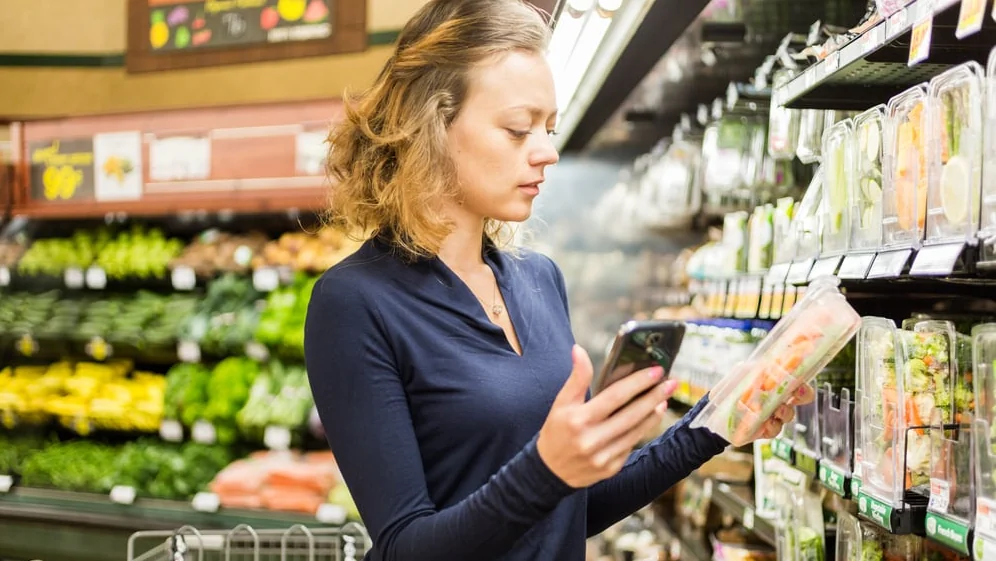
The Recalls.gov food recall list is a federal navigation starting point, not a separate agency database that replaces FDA or USDA. Its Food page points visitors to FoodSafety.gov, where a widget combines recent FDA and USDA FSIS recalls and alerts. Open each result at the responsible agency before deciding whether your food is affected.
Match the complete official scope: brand, exact product name, package size, UPC, lot/batch, use-by or freeze-by date, and—on many USDA-regulated products—the establishment number. A similar name, retailer or photograph is not enough.
What the Recalls.gov Food Page Actually Provides
Recalls.gov was created by six federal agencies with different jurisdictions to make government recall resources easier to find. Its tabs cover consumer products, vehicles, boats, food, medicine, cosmetics and environmental products. The site is a doorway: questions about a particular recall belong with the agency listed for that product.
On the Food tab, Recalls.gov links and embeds FoodSafety.gov content. FoodSafety.gov describes its recent-recall widget as a real-time feed of notices from FDA and USDA. Selecting a result should take you to more information, where the product codes, hazard, distribution and consumer action appear.
| Page | Role | Use it for |
|---|---|---|
| Recalls.gov Food | Federal navigation portal | Reaching the combined food view and responsible agencies |
| FoodSafety.gov | Cross-agency food widget and guidance | Scanning recent FDA/USDA recalls and alerts |
| FDA notice | Primary FDA product record/public announcement | Most food, produce, seafood, supplements and pet food |
| FSIS notice | Primary USDA product record | Meat, poultry and processed egg products |
| CDC/state page | Outbreak/public-health information | Illness investigations, which may or may not lead to a recall |
“Real-time” should not be read as a warranty of completeness. FDA explains that not every recall has a public warning on its consumer announcement page, while state/local events can appear elsewhere. Enforcement records, company notices and outbreak investigations are separate layers. For a specific product, use the widget to discover a notice and the agency page to verify it.
Recalls.gov also is not a retailer inventory system. A store's sales history and return policy come from the retailer, while federal scope comes from the regulator/company notice. Keep those functions separate.
FDA or USDA FSIS: Choose the Right Agency
FDA is the primary regulator for most foods: produce, dairy, seafood other than catfish, shell eggs, bakery items, beverages, dietary supplements, pet food and animal feed. USDA's Food Safety and Inspection Service covers federally inspected meat, poultry, processed egg products and catfish. This jurisdiction—not the retailer or aisle—determines which primary notice to use.
- Search FDA first: lettuce, berries, cheese, canned food, snacks, baby food, supplements and pet food.
- Search FSIS first: beef, pork, chicken, turkey, processed egg products and inspected ready-to-eat meat dishes.
- Search both: mixed products, downstream foods using an ingredient from the other jurisdiction, or an item with unclear inspection status.
Eggs are a frequent source of confusion. FDA generally regulates shell eggs; FSIS regulates processed egg products such as liquid, frozen or dried forms. A search result that says “USDA egg recall” should therefore be checked against the exact product form and official agency.
Use the package as a jurisdiction clue
Many FSIS-regulated products carry a USDA mark of inspection with an establishment number, commonly written as EST. or P-. FDA notices more often rely on UPC, lot and date codes. The mark is a strong clue, but the official search result remains decisive.
Mixed foods require care. A frozen pizza, soup or sandwich containing meat is not automatically an FSIS product; coverage can depend on formulation and inspection status. Likewise, an FDA-regulated ingredient can trigger an FSIS alert for finished meat/poultry products. Search the exact name and open related links.
For a focused walkthrough, see our USDA recall list guide. It explains establishment numbers, classifications and public health alerts.
How to Search and Match a Food Recall
Start at the FoodSafety.gov widget reached from Recalls.gov, using the product or company name. If the item appears, open the agency result. If it does not, search FDA and FSIS directly with the brand, manufacturer/distributor and code. A private-label product may be announced under its producer rather than the store brand.
- Confirm notice date and type. Open the newest recall or alert, including corrections/expansions.
- Match exact identity. Compare brand, variety/flavor, product form and package weight.
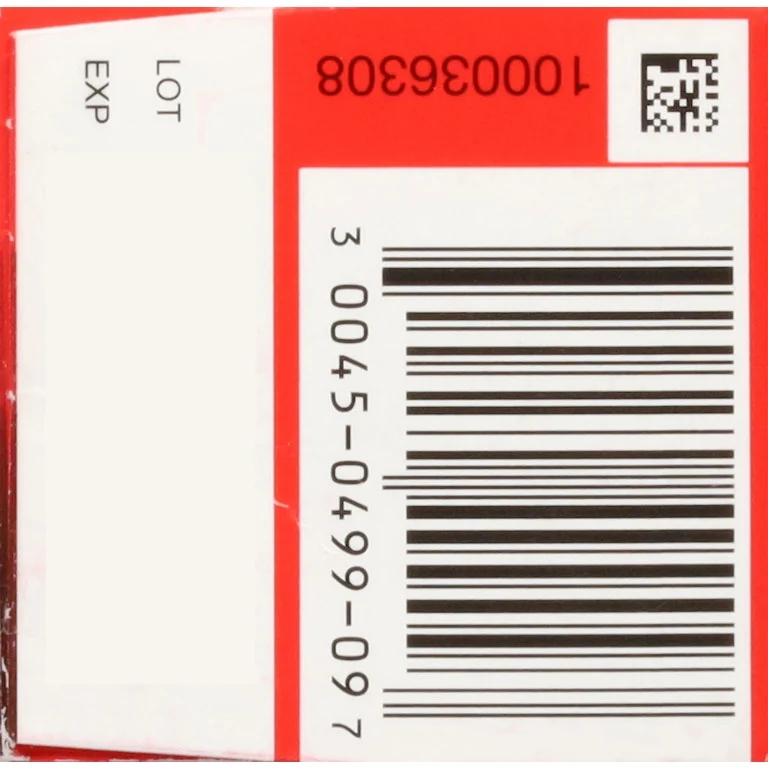
- Match machine-readable fields. Check UPC/GTIN, item number, NDC for relevant products, lot/batch or serial.
- Match dates. Use best-by, use-by, freeze-by, production or sell-by range stated in the notice.
- Check FSIS establishment marks. Match the EST/P number for inspected meat or poultry.
- Use distribution as support. State and retailer lists can narrow the check but may be updated.
- Follow the notice remedy. Do not substitute another recall's return/refund/disposal instruction.
For loose produce, keep the sticker and receipt; the retailer may need to compare carton or supplier records. For frozen food, inspect older stock because it can remain at home after stores remove it. For institutional or food-service packages, check the outer case and receiving record as well as individual portions.
If one field matches and another does not, do not broaden the recall yourself. Contact the company or agency through the official notice. If a code is unreadable, isolate the item until the source can help. A “no match” excludes the item from that particular published scope; it does not certify the product against every hazard or future action.
Why the Widget Is Not the Whole Recall Record
The FoodSafety.gov widget is excellent for scanning recent FDA and USDA items in one place. It displays a short title/date and links to more information. But a compact feed cannot reproduce every product-table row, label image, distribution update, recall classification, consignee list or company contact. The click-through notice is where the decision-quality details live.
FDA also explains that not all recalls receive a public warning or appear on its consumer announcement page. Its Enforcement Report is a separate descriptive listing of recalls the agency monitors, and yearly firm press-release datasets are available for analysis. Those sources use different dates and record units. Adding them together without de-duplication can inflate counts.
| Task | Best source | Reason |
|---|---|---|
| See recent cross-agency notices | FoodSafety.gov widget | Convenient FDA/USDA discovery |
| Decide if a package matches | Full FDA or FSIS notice | Complete identifiers and action |
| Research FDA event/status | FDA Enforcement Report/IRES | Classification, status and event fields |
| Analyze firm announcements by year | FDA downloadable data | Machine-readable press-release records |
| Check local action | State/local agency | May not be a federal recall |
A PDF or screenshot of the widget is a dated snapshot. It will not automatically add a new downstream product or corrected lot. Keep the live URL and check date. When publishing a count, define whether one root ingredient plus five downstream announcements equals one event or six records, and state which date—announcement, publication, initiation or classification—places it in a month.
For consumers, this complexity has a simple solution: use aggregation for discovery and the primary notice for action. For analysts, preserve identifiers and relationships instead of scraping only headlines.
Recall, Alert and Outbreak Records Are Different
A recall is a product-removal or correction action initiated by a producer or other responsible firm, sometimes at an agency's request or under legal authority. The notice defines affected products and the remedy. It does not include every product from the brand.
A public health or safety alert communicates a potential risk when a recall may not be recommended or practical, or when investigators have actionable advice without a fully defined product-removal action. FSIS and FDA use alert/advisory records in different contexts. Do not invent a recall number or refund for an alert.
An outbreak investigation examines illnesses that may share a food or drink source. CDC, FDA, FSIS and state/local agencies can play roles. An investigation may lead to a recall, but it can begin before a source is named or end without a product recall. Case counts and implicated products can change.
| Record | Primary question | Do not assume |
|---|---|---|
| Recall | Which defined products are removed/corrected? | All products from the company are affected |
| FSIS public health alert | What potentially affected product/action matters? | A formal recall exists |
| FDA advisory/safety alert | What risk and avoidance advice is communicated? | Every advisory is a recall |
| CDC outbreak notice | What illnesses/source evidence and advice exist? | A commercial product has been recalled |
FoodSafety.gov intentionally displays recalls, alerts and outbreaks as related safety information. Preserve their labels when moving them into notes or social posts. Our CDC, FDA and USDA role guide explains how investigations and regulatory actions connect.
What to Do When a Product Matches
Do not open, eat, serve or feed food that matches the official notice. Keep it away from children, pets and anyone who might use it. Read the stated remedy before moving it: the recalling firm or regulator may direct return, discard or company contact. Product Recall Checker cannot authorize a refund or create a remedy.
Photograph the package front, UPC, lot/date panel, establishment number and receipt. If the notice says to discard the product, make it inaccessible to people and animals. For a leaking or opened item, avoid spreading contamination to other foods.
Clean affected kitchen surfaces
FoodSafety.gov warns that recalled foods involving possible germ contamination can leave germs on refrigerator shelves, drawers and kitchen surfaces. Wash cookware, utensils and cutting boards with hot soapy water. Clear and wash affected counters/refrigerator areas, then follow the official sanitizing directions. Wash hands after handling. An undeclared-allergen notice calls for its own cross-contact precautions.
If illness may be involved
Review the notice or outbreak page for hazard-specific symptoms and higher-risk groups. Contact a healthcare professional for serious symptoms, higher-risk people or questions about care; use emergency services for emergencies. Preserve the product details and timing if safe. A match does not by itself diagnose an illness, and a web tool cannot establish causation.
Check for updates after acting. Distribution, downstream products, label images or lot ranges can expand. A recall marked complete may still matter to a matching frozen or shelf-stable product in a home. Keep the primary URL rather than only a screenshot.
Organizations should quarantine matching stock, locate all units, retain supplier/receiving records and follow the official instructions. Do not publish customer, patient or employee details while seeking help.
Frequently Asked Questions
Is Recalls.gov the official food recall database?
It is an official federal portal. Its Food tab routes/embeds FoodSafety.gov and points to FDA and FSIS. Use the responsible agency's individual notice as the detailed product record.
Does Recalls.gov have a complete food recall PDF?
A static PDF cannot stay synchronized with expansions and corrections. Use the live widget and agency pages. For analysis, FDA offers downloadable datasets, but they represent defined record types rather than one combined FDA/USDA master PDF.
Where is the “today” list?
FoodSafety.gov shows recent notices, while FDA and FSIS offer current pages and date filters. Record the date/time checked. Publication date can differ from recall initiation or classification date.
Can I filter Recalls.gov food notices for Walmart?
The federal portal is not a retailer inventory database. Search the official notice for retailer/distribution information, then check Walmart's own recall page for purchase-specific guidance. Product codes still control. See our Walmart recall guide.
How do I find California-only notices?
Search FDA/FSIS distribution fields and the California Department of Public Health or local agency. Federal notices may cover many states; local actions may not appear in a national widget.
How can I get alerts?
Subscribe directly to FDA and FSIS notifications and follow relevant state/local health alerts. Use email as a prompt to open the official site, not as the sole product record.
Does no result mean the food is safe?
No. It only means you did not find a matching published record using that search. Check spelling, manufacturer/distributor, another regulator and local notices. A recall search does not evaluate spoilage, tampering or storage.
Product Recall Checker is independent and does not replace Recalls.gov, FoodSafety.gov, FDA, USDA FSIS, CDC, manufacturers, retailers or healthcare professionals.
Comments
Comments are reviewed before publication. Do not post personal information, serial numbers, medical details, or emergency reports. For urgent safety concerns, use the official agency contact in the recall notice.
Sign in with Google to leave a comment
Loading comments...