Check a Walmart item with three pieces of evidence
To check whether your Walmart purchase is recalled, open Walmart's official Product Recalls page, find the product or brand, and follow the linked manufacturer or agency notice. Compare the notice with the item in your possession, including its model, UPC, lot, serial number or affected dates. Use your receipt or purchase history to establish what you bought; it cannot replace the identifiers printed on the actual item.
This guide, checked October 17, 2026, is an operating method for a recall check. It is useful whether you searched for a free Walmart product recall checker, an app, or a way to check food at home. Public recall notices are available without buying a checking service. The steps below use Walmart's official website and help resources together with agency records. They do not assume a dedicated Walmart app feature that automatically clears every product or batch.
| Evidence | What it can establish | What to keep |
|---|---|---|
| Purchase record | Product ordered, seller or store, purchase date and transaction reference | Receipt or order details |
| Actual unit | The specific model, package, date and production identifiers you possess | Label photographs and readable codes |
| Official notice | Affected scope, hazard, instructions and remedy contact | Original link, announcement date and any update |
Work across those three columns rather than asking one search box to do everything. A receipt can identify an appliance name while leaving its serial range unresolved. A package can show a UPC shared by multiple batches. A notice can name Walmart as a seller without saying that every unit of that brand is affected. Each piece answers a different part of the question.
Start by photographing the product label and writing down the exact issue you need to resolve. For example: "Does this serial number fall in the range?" is easier to answer than "Is this brand safe?" If you only need a roundup of reported events, our Walmart recall list serves that purpose. For an individual item, keep following this workflow through identification and the notice-specific remedy.
Use Walmart purchase history to recover the purchase details
Collect the transaction information before contacting anyone about a remedy. It helps distinguish two similar purchases and directs the question to the right seller. Keep the purchase record alongside your package photographs, rather than assuming that one can substitute for the other. If a household bought the same product several times, create a separate note for each physical unit you are checking.
Find online orders and receipts in the app or website
Walmart's official receipt instructions direct shoppers to Account > Purchase History, then the relevant purchase. Online order details provide the receipt information; the website also offers a print option. Open the account you actually used for the order. Menu placement may change, so use the current Help instructions if the screen differs.
For paper store receipts, Walmart documents scanning the receipt barcode with the barcode icon in the app's search bar. That links a purchase record; it does not establish that a scan has checked every lot or serial number for recalls. Certain saved-card store purchases can also be added to purchase history under Walmart's stated conditions.
After finding the order, make your own comparison note: product ordered, product actually received, seller, purchase date and available transaction reference. Include any substitution shown in the grocery order. If you ordered one flavor but received another, the package you actually possess is the item to compare with the recall. Save the receipt privately rather than posting it in a public comment with personal details visible.
When a store purchase or receipt is missing
Walmart's receipt lookup, reached through the same official Help page, asks for the store location, date, total, card type and last four card digits. Other payment methods or unresolved searches may require customer support. A missing record is not a finding about product safety.
Use a simple troubleshooting order: confirm the shopping date, check which store you visited, review the correct account, then ask official support if the record remains missing. Do not guess a production code from a bank statement. A statement can help locate a transaction, but a grocery total does not show which batch went into the bag. Likewise, finding a matching receipt does not prove that a loose item in a cupboard came from that trip.
If the item was a gift or a family member made the purchase, ask for the original order information while checking the product itself. Avoid making up missing data to finish an online form. Tell the remedy provider exactly what you have and what you cannot establish; it can explain the next acceptable way to verify the item.
Match the actual package to the official recall notice
Open the full notice and make a comparison table of your own. Put the notice's affected identifiers on the left and the ones you can read on your item on the right. Include the size, variant and applicable dates, rather than copying only the brand. Photograph hard-to-read codes in good light. Do not dismantle a product, remove safety parts or open a container just to reproduce a recall photograph.
Keep identifier types distinct. A retailer item number identifies a catalog entry; a model identifies a design; a serial number may narrow individual units; a lot code relates to production. Not every notice uses every field. If it gives a model and a serial range, matching the model alone leaves the serial question unanswered. If it says all lots of a specifically defined product, do not add a lot restriction of your own.
A historical example: the Ozark Trail bottle packaging number
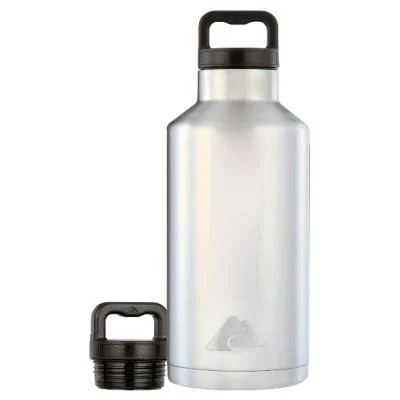
The July 10, 2025 CPSC notice, recall 25-377, covered Ozark Trail 64-ounce stainless-steel insulated water bottles sold with model 83-662 on the packaging. CPSC expressly stated that the model number does not appear on the bottle. The silver body and black one-piece screwcap were additional identifying features. This is a historical checking example, not an announcement of a new 2026 action.
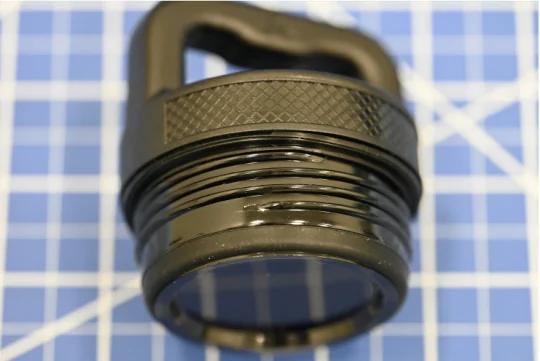
Someone who no longer has the box should not conclude that an unmarked bottle is excluded. Nor should someone assume that every silver bottle is included. Compare the notice's description, purchase information and original photos, then ask the listed recall contact to resolve remaining uncertainty. CPSC instructed affected consumers to stop using the bottles and contact Walmart for a full refund, with store return available. Do not test a suspect bottle by opening or pressurizing it.
The lesson transfers to appliances, toys and other purchases: first find where the notice says the identifying information appears. It may be on packaging, underneath a unit or on a label. Record what is missing rather than inventing a match. A photograph supports identification, but the source's written range and instructions remain essential.
Choose the right checking path for food, household goods or Marketplace purchases
The seller's name is one search clue, but the type of product helps determine which agency record to read. Recalls.gov routes visitors to the relevant federal collections. For furniture, toys, household equipment and similar consumer goods, start with CPSC. For food, use FDA and USDA FSIS as applicable. If a retailer link sends you to an agency, remain on that specific notice rather than switching to an unrelated recall with a similar headline.
Food labels need dates and lots as well as a UPC
The FDA's food recall guidance describes package names, sizes, UPCs, date codes and distribution information as identification fields. Write them down exactly, including leading zeros and the year. A best-by date is different from a purchase date. If you bought two packages with different production codes, compare both with the notice instead of treating the shopping basket as one batch.
For meat and poultry, the FSIS consumer recall explanation describes establishment numbers and the product labels used in its notices. Include the establishment field when the notice provides one. A brand name is not an establishment identifier, and an inspection mark alone does not answer whether the particular product is recalled.
Consider a hypothetical freezer check: a bag's UPC matches, but the date on its seal is partly rubbed away. The missing date is a question for the official contact, not permission to assume either outcome. Photograph the seal, preserve the remaining characters and keep the food out of meals while you resolve the potential match. Do not substitute the date of your last grocery delivery for the unreadable package date.
Check the seller and the recall contact for Marketplace items
For an order placed through Walmart.com, record the seller shown in the purchase details. Walmart's published return policies direct shoppers with recalled Marketplace items to the recall notice or to the manufacturer or seller. Use that instruction alongside the specific announcement. Do not assume the same product page, fulfillment method or delivery box establishes who administers every remedy.
When asking for help, send a concise identification summary: the order reference, seller, brand, model or batch, and official recall link. Keep personal data within the official support channel. For a baby product, our baby-product recall checking guide explains additional label and model considerations. Whatever the category, the useful endpoint is a documented match and the proper contact, rather than a general statement that a marketplace carries recalled products.
Resolve a match, an incomplete match or no search result
End the check with a specific outcome. A search result is only a lead; the useful conclusion describes how your unit relates to an official affected range. The table below is a practical way to organize your next step, not a substitute for the notice's instructions.
| Outcome | What it means | Next step |
|---|---|---|
| Identifiers match | Your item meets the affected description and any applicable code or date limits. | Follow the recall action and remedy through its official contact. |
| Some identifiers match | The product looks relevant, but a needed field is missing or differs. | Keep the uncertainty explicit and ask the listed company contact to resolve it. |
| No matching result found | Your searches have not located a matching notice. | Try the agency collection and manufacturer; do not treat the search as a safety guarantee. |
When results are incomplete, vary one search term at a time. Try the brand and model, then the manufacturer and model, then the product name. If you use our independent recall search, open its original source before acting. Keep a note of which terms and dates you checked so a later alert can be compared with your earlier work.
If you find different versions of a notice, prefer the official update and inspect the changed identifiers. FDA's Enforcement Report documentation explains that product descriptions and code information can change, and that classification may come after a company's public warning. A later database posting is not enough to infer that a recall has expanded to additional units.
For a damaged or unreadable label, send clear photographs and describe which field you need confirmed. Do not scrape away a label or remove a hazardous component to get an answer. When an official contact provides a decision, save the response with the recall link and your unit information. That creates a usable record if a repair, return or follow-up question arises.
Follow the remedy and protect your account
Keep the recall's safety action and its financial process in view at the same time. If the notice says stop using the item, follow that instruction while arranging the remedy. If it specifies a repair or replacement, do not assume that a generic return button provides the same result. Save the original notice and the instructions supplied through its verified contact.
Refunds and returns depend on the verified notice
Walmart's recall help describes account-based options and store handling for recalled purchases. Its food guidance says not to consume recalled food, to discard it, and to visit a store for a refund in accordance with the refund policy. Follow the particular recall and ask support about documentation when needed. Do not turn that wording into a promise of extra compensation, an immediate payment date or identical handling for every seller.
Before sending an item anywhere, check who administers the remedy and whether the notice requires a photograph, registration or another step. Do not ship hazardous products, destroy equipment or remove parts on your own initiative. If the notice requires a particular disposal or disabling method, use the official instructions. Save the claim confirmation and keep other household members from using the item while the remedy is pending.
If a CPSC recall remedy stalls after you have contacted the company and allowed it to respond, CPSC offers a recall complaint form. Include the product, recall link and contact history. That form reports problems with the remedy; it is not the first application to the company for a refund. For FDA-regulated medicines or necessary medical equipment, follow the relevant professional and manufacturer advice rather than independently stopping treatment.
Treat unexpected recall texts as a separate verification problem
Walmart's corporate recall page says it does not send text messages about product recalls and uses official websites and direct email notifications. An unsolicited text promising a refund therefore deserves an independent check. An email is also not authenticated merely because it contains Walmart branding. Open Walmart yourself and locate the actual recall, without using the message's link or phone number.
The FTC's phishing guidance recommends contacting a company through a website or number you know is real. Never provide a password or one-time code to a purported recall agent. If you already disclosed financial or identity information, use the relevant institution's official recovery path and IdentityTheft.gov; if a suspicious download occurred, update trusted security tools and scan the device.
For your final record, note the matched identifiers, action taken and remedy reference. Product Recall Checker is independent of Walmart and government agencies. Our latest recall records can help surface notices, but the original announcement and your actual product remain the basis for a reliable check.
Comments
Comments are reviewed before publication. Do not post personal information, serial numbers, medical details, or emergency reports. For urgent safety concerns, use the official agency contact in the recall notice.
Sign in with Google to leave a comment
Loading comments...